How to Remember to Take Your Vitamins: 9 Habit Tricks That Stick
The best supplement is the one you actually take. These nine habit tricks, grounded in real behaviour research, turn a daily routine from a chore into something automatic.
Almost everyone has a bottle of something in a cupboard that was going to change everything, and got taken for eleven days. It is not a willpower problem. It is a design problem.
Habit research is refreshingly practical about this. Behaviours stick when they are cued by something you already do, easy to repeat and at least a little bit rewarding. Here is how to build that into a daily supplement routine, in nine small moves.
- Attach your supplement to something you already do every day, in the same place.
- Make it visible, small and, ideally, enjoyable.
- Expect it to take about two months to feel automatic, and do not panic about a missed day.
- Judge results on a realistic timeline, not after the first week.
Why remembering is the hard part
Much of daily life already runs on autopilot. In one well-known study, psychologist Wendy Wood and colleagues found that roughly 43 percent of the everyday actions people recorded were performed habitually: done almost daily, in the same context, often while thinking about something else. The goal is to move your supplement into that automatic 43 percent, so it stops competing for attention.
How long that takes is the other useful finding. In a study published in 2010, researchers at University College London followed 96 volunteers who each picked a new daily eating, drinking or activity habit. On average it took 66 days for the behaviour to reach its most automatic, with a range from 18 to 254 days. Crucially, missing a single day did not meaningfully set anyone back.
The 9 habit tricks
1. Stack it onto an existing habit
Pick a daily anchor that never gets skipped (pouring your first coffee, brushing your teeth, sitting down at your desk) and attach the supplement to it. Write it as a sentence: after I pour my coffee, I take my gummies. The anchor does the remembering for you.
2. Keep it where the anchor happens
A supplement in a cupboard is a supplement you will forget. Put it on the counter next to the coffee machine, in your desk drawer or on your bedside table, wherever the anchor lives. Visibility is the cheapest reminder there is.
3. Make it something you look forward to
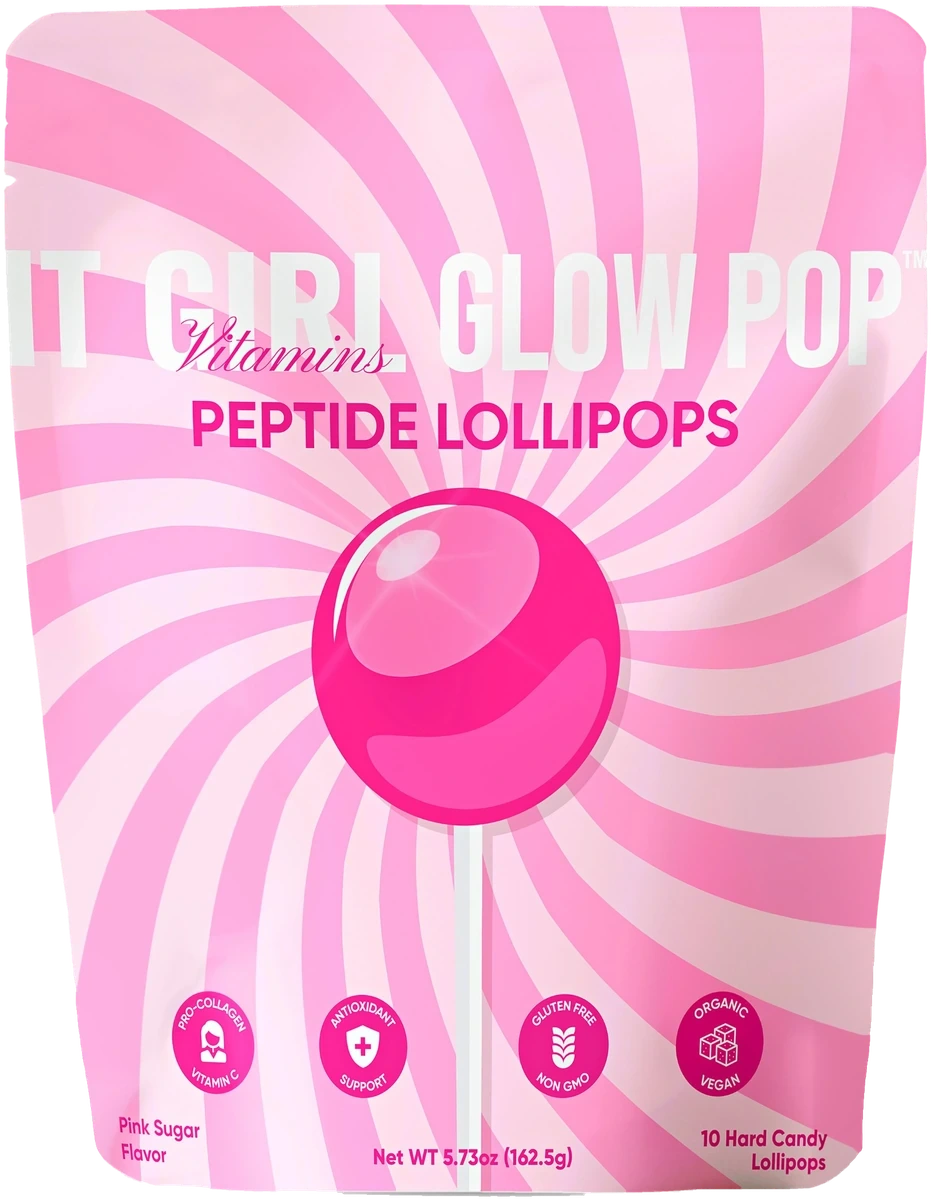
Researchers call it temptation bundling: pairing something you should do with something you enjoy. A study that let gym-goers listen to gripping audiobooks only while exercising found they visited the gym more often. The same logic is why format matters so much for supplements. A chalky tablet is a chore; a pink lollipop at 3pm is a small treat that happens to be your routine. Our format comparison goes deeper on this.
4. Shrink the step
Every extra action is a chance to skip: unscrewing, counting, measuring, shaking. The fewer decisions a routine needs, the more likely it survives a busy week. One pop, one pack or two gummies is about as small as a habit gets.

5. Write an if-then plan for awkward days
Behaviour scientists call these implementation intentions, and they are one of the most reliable tools in the field. Decide in advance what happens when the normal cue disappears: if I forget at breakfast, then I take it at lunch. If I am travelling, then I take it with my first meal wherever I am. The plan turns a missed cue into a backup cue.
6. Pre-pack the exceptions
Most routines break on the same few days: early flights, gym mornings, nights away. Keep a spare in the places those days start: your gym bag, your work tote, your travel pouch. Our carry-on wellness kit has a packing routine for trips.
7. Track it lightly for the first two months
A tick on a calendar, a note in your phone, a habit app. The method matters less than seeing the streak. Given the 66-day average, tracking is most useful early and can fade once the behaviour runs on its own.
8. Never miss twice
The UCL research is reassuring: one missed opportunity did not derail habit formation. What does is a pattern of inconsistency. So treat a missed day as nothing, and make the next day non-negotiable.
9. Judge it on the right timeline
The fastest way to abandon a routine is to expect results in a week. Skin renews slowly, and collagen studies typically run for 4 to 12 weeks. Set a review date two or three months out, take a photo on day one in the same light, and decide then. Our collagen timeline explains what is realistic, and when.
When to take your supplements: a morning-to-night guide
Pick your anchor
| If your day starts with… | Try stacking | Keep it |
|---|---|---|
| Coffee or tea | Two gummies with the first cup | Next to the kettle or machine |
| A desk and a laptop | A pop when you open your first email | In the top drawer |
| A workout | Electrolytes in your gym bag | In the bag's front pocket |
| An afternoon slump | Your beauty snack instead of the vending machine | In your handbag or tote |
| A skincare routine | Supplement right after your morning SPF | On the bathroom shelf, if the label allows room-temperature storage |
How we designed for this
Consistency was the brief behind every It Girl format. The Peptide Beauty Pop is one lollipop a day, meant for the moment you would reach for something sweet. It Girl Snack portions a full day into a single pack. It Girl Skin and Gut Glow Up are two gummies a day, and pair naturally with breakfast or a morning coffee. Not one of them needs a shaker, a scoop or a glass of anything but water. Explore them all in the full range, or read how a candy format changes the habit.
Questions people actually ask
How long does it take to make taking vitamins a habit?
It varies from person to person. In a well-known study from University College London, new daily habits took 66 days on average to become automatic, with a range from 18 to 254 days. Attaching the supplement to something you already do every day tends to speed things up.
What is the easiest way to remember to take supplements?
Link them to an existing daily habit, such as your first coffee or brushing your teeth, and keep them where that habit happens. A visible cue in the right place works better than relying on memory or phone reminders alone.
What should I do if I miss a day?
Simply take your next serving as normal, but do not double up unless the label says you can. Research on habit formation suggests one missed day does not undo a habit; repeated inconsistency is what makes routines fade.
Is it better to take supplements in the morning or at night for consistency?
Whichever time has the most reliable anchor for you. For most people that is breakfast or a morning coffee, but an evening routine works just as well if it happens every day. Some supplements do have timing considerations, which our timing guide covers.
This article is for general information and is not medical advice. These statements have not been evaluated by the Food and Drug Administration. This product is not intended to diagnose, treat, cure or prevent any disease. If you are pregnant, nursing, taking medication or managing a health condition, check with your doctor before adding a supplement.