When to Take Your Supplements: A Morning-to-Night Guide
Morning or night, with food or without? For most supplements the honest answer is simpler than the internet suggests. Here is what timing changes, and what it doesn't.
Search "best time to take collagen" and you will find confident answers in every direction: morning, bedtime, empty stomach, with coffee, never with coffee. Most of them are opinions dressed as rules.
The real picture is calmer. For a handful of nutrients, timing and food genuinely change how well they are absorbed or how comfortable they are to take. For most of the rest, the best time is simply the time you will remember every day.
- Fat-soluble vitamins (A, D, E and K) are best taken with a meal that contains some fat.
- Iron and calcium compete, so take them at different times. Coffee and tea can also reduce how much iron you absorb.
- There is no good evidence that collagen works better at one time of day. Consistency is the variable that matters.
- If you take biotin, tell your clinician before blood tests, because high doses can interfere with some lab results.
The rules that actually hold up
Fat-soluble vitamins like a meal
Vitamins A, D, E and K dissolve in fat, and your body absorbs them along with dietary fat. Taking them with breakfast or lunch (anything with a little olive oil, avocado, eggs, yogurt or nuts) is the simplest way to give them the best conditions. A multi-nutrient gummy or pack that includes these vitamins is a sensible thing to pair with food for the same reason.
Iron and calcium: keep them apart
According to the NIH Office of Dietary Supplements, calcium might interfere with iron absorption, and taking the two at different times of day can help. Iron from plant foods is absorbed better alongside vitamin C, and high doses of iron on an empty stomach can cause an upset stomach. If you take an iron supplement, it is also worth keeping it away from your morning coffee or tea, whose polyphenols can reduce absorption.
Magnesium: choose the time that suits your stomach
There is no strong evidence that magnesium works better at a particular hour, but high doses from supplements can loosen stools. Many people prefer it with dinner or in the evening as part of winding down. If a form disagrees with you, taking it with food usually helps.
Probiotics: follow the label
Probiotic research is strain-specific, and so is the best way to take them. Some research suggests that certain strains survive stomach acid better when taken with, or just before, a meal. Spore-forming strains such as Bacillus coagulans are naturally more robust. Unless the label says otherwise, pairing a probiotic with a regular meal is an easy default. More on how they differ from enzymes in our enzymes vs probiotics explainer.
What timing doesn't change much
Collagen
Studies on collagen peptides have used morning doses, evening doses and doses taken whenever participants liked. None of that research shows a clear winner. What the trials share is daily use for weeks at a time, which is why a format you enjoy matters more than the hour you take it. Our realistic collagen timeline explains how long "weeks at a time" really means.
Vitamin C and the B vitamins
These are water-soluble, so they do not need fat to be absorbed. Some people find B vitamins feel more natural earlier in the day, which is a preference rather than a rule. With vitamin C, the useful point is quantity rather than timing: absorption falls off above about 1 gram a day, so splitting a large intake across the day makes more sense than taking it all at once.
Hyaluronic acid and ceramides
There is no evidence that time of day matters for oral hyaluronic acid or ceramides. Take them whenever fits your routine, with water.
How to read a Supplement Facts label in 7 steps
A simple morning-to-night map
| When | Good fit | Why |
|---|---|---|
| With breakfast | Multi-nutrient formulas, fat-soluble vitamins, most probiotics | Food and a little fat help absorption; breakfast is also the easiest habit anchor. |
| Mid-morning or afternoon | Collagen, hyaluronic acid, beauty snacks | Timing doesn't change much, so use the moment you would reach for something sweet anyway. |
| Around exercise or heat | Electrolytes | Sodium, potassium and chloride are lost in sweat, so they are most useful when you are actually sweating. |
| Away from iron | Calcium, coffee, tea | Calcium and polyphenols can reduce iron absorption. |
| Evening | Magnesium, if you take it | A comfortable, easy-to-remember slot for many people. |
How our products fit into a day
We write the timing into our own directions, and it follows the same logic:
- Gut Glow Up: two gummies a day with water, and pairing it with breakfast or your morning coffee makes it automatic.
- It Girl Skin: two gummies a day, ideally at the same time each day. Because it contains vitamins A, D and E, a meal is a sensible partner.
- It Girl Snack: one pack of seven gummies a day, together or spread across the afternoon.
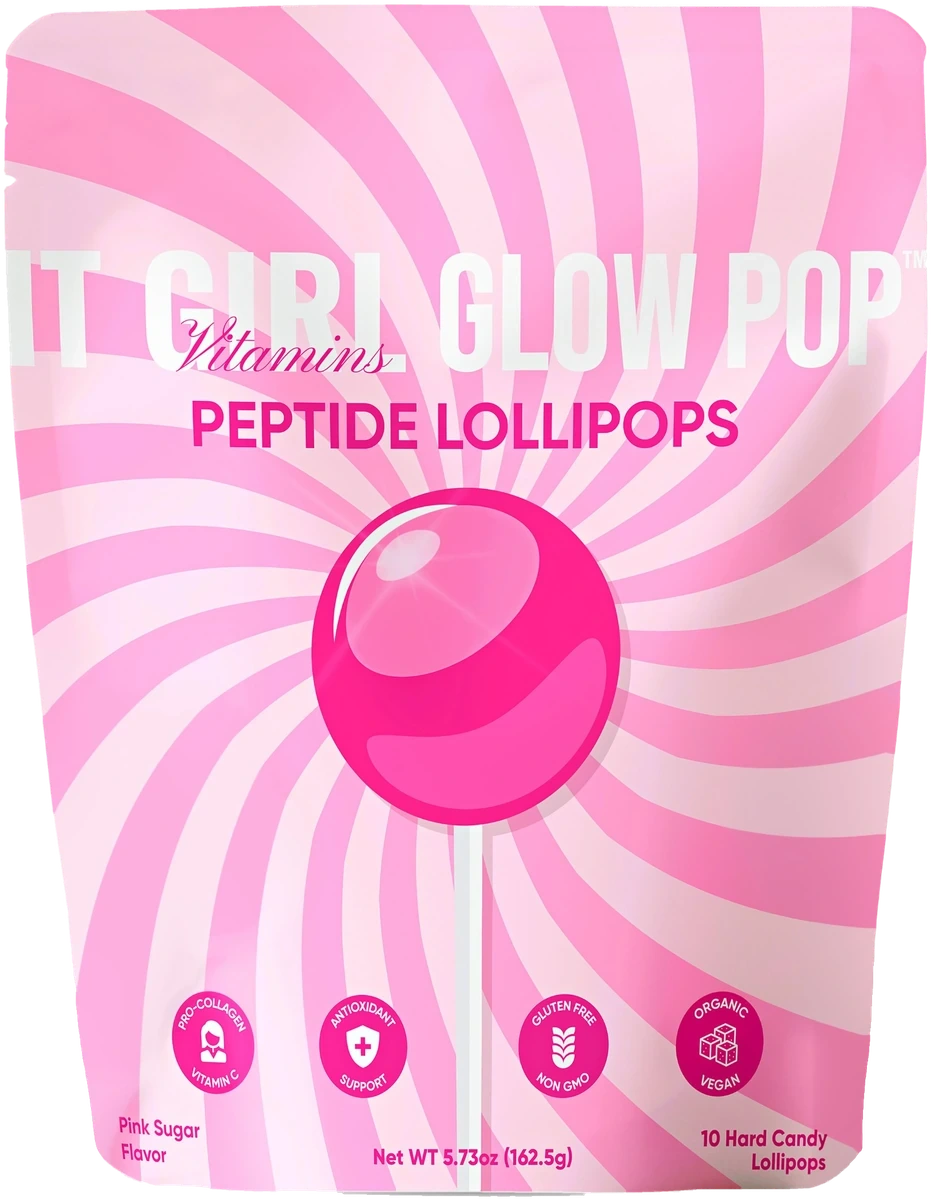
- Peptide Beauty Pop: one pop a day, any time, with a glass of water. It is designed for the moment you want something sweet.
- Electrolyte Hydration Pop: one a day with water: before a workout, on a hot afternoon or on a travel day.

A note on biotin. The FDA has warned that high amounts of biotin can interfere with some laboratory tests, including certain heart and thyroid tests. It Girl Skin and It Girl Snack both contain biotin, so if you are having blood work, tell your doctor or the lab what you take and follow their advice on pausing beforehand.
Supplements and medication
This is the one area where timing can matter a great deal. Some supplements need to be spaced away from medications. Calcium and iron, for example, can interfere with thyroid medication, and several herbs affect how drugs are processed. If you take any prescription medicine, ask your pharmacist to look at your full list once. It takes five minutes and saves a lot of guesswork.
The rule that beats every other rule
A supplement taken at a slightly less-than-ideal time every day will do more than one taken at the perfect time twice a week. Pick a moment that already exists in your day (breakfast, your first coffee, the 3pm slump, your gym bag) and attach the supplement to it. If you want the habit science behind that, our guide to remembering your vitamins goes deeper, and electrolytes, explained covers when hydration support is actually useful.
Questions people actually ask
Is it better to take collagen in the morning or at night?
There is no good evidence that one is better. Collagen studies have used different times of day, and what they have in common is daily use over several weeks. Take it whenever you will remember it consistently.
Should vitamins be taken with food?
Fat-soluble vitamins (A, D, E and K) are absorbed better with a meal that contains some fat, and many people find supplements easier on the stomach with food. Water-soluble vitamins such as vitamin C and the B vitamins do not need food to be absorbed. Always follow the directions on the label.
Can I take all my supplements at once?
Often, yes, with a few exceptions: iron and calcium are better taken at different times, and some supplements need spacing away from medications. If you take several products or any prescription medicine, ask a pharmacist to check your list.
When should I take electrolytes?
Electrolytes are most useful when you are losing them: during or after exercise, in hot weather, when you have been sweating or while travelling. One serving with a glass of water fits easily around a workout or a busy afternoon.
Does coffee affect supplement absorption?
Coffee and tea can reduce how much iron you absorb, so it is sensible to keep an iron supplement away from them. For most other supplements there is no need to avoid coffee, and pairing a daily supplement with your morning cup is an easy way to build the habit.
This article is for general information and is not medical advice. These statements have not been evaluated by the Food and Drug Administration. This product is not intended to diagnose, treat, cure or prevent any disease. If you are pregnant, nursing, taking medication or managing a health condition, check with your doctor before adding a supplement.