Gelatin vs Pectin Gummies: What's the Difference, and Why It Matters
Every gummy is held together by something. Usually it is gelatin or pectin, and the choice changes the texture, how it handles heat and who can eat it. Here is how to tell them apart.
Two gummies can look identical and still be made from completely different things. One might be set with gelatin, from animal collagen. The other might be set with pectin, from fruit. You would only know by reading one line on the back of the pack, or by leaving both in a hot car.
The gelling agent is not a detail. It decides how a gummy feels to bite, how it copes with a heatwave, and whether it suits a vegetarian, vegan, halal or kosher diet. Here is what each one is and how to find out which you are eating.
- Gelatin comes from the collagen in animal skin and bones. Pectin comes mainly from citrus peel and apples.
- Gelatin gives a bouncy, chewy, glossy gummy that melts near body temperature. Pectin gives a softer, cleaner bite and holds up better in heat.
- Pectin is plant-based, so it suits vegetarian and vegan diets. Gelatin does not, and its source matters for halal and kosher diets.
- Look for the gelling agent in the "other ingredients" line under the panel.
What gelatin is
Gelatin is cooked, partially broken-down collagen. It is extracted mainly from the hides and bones of pigs and cattle, and to a lesser extent fish, usually as a by-product of the meat and fishing industries. When warm it dissolves; as it cools, its long protein strands tangle into a flexible gel.
That structure is what gives classic gummy bears their signature stretch and bounce. Gelatin also melts at around body temperature, which creates that melt-in-the-mouth feel, and, as the trade publication Nutritional Outlook notes, it is why gelatin gummies can soften and stick together in hot conditions.
If gelatin sounds close to collagen supplements, it is. Collagen peptides are the same protein broken down further, into fragments that dissolve in cold liquid and do not gel. Our collagen comparison covers that family tree.
What pectin is
Pectin is a natural fibre found in the cell walls of fruit. Commercial pectin comes mostly from citrus peel, with apple and sugar beet as other sources: the same thickener that sets homemade jam. Instead of a protein network, pectin forms its gel with the help of acid and sugar or, for some types, calcium.
The result eats differently: a shorter, cleaner, more tender bite with little chew or elasticity. Pectin gummies also have a higher melting point, so they keep their shape far better in warm weather, on long shipping routes or in a travel bag.
Side by side
| Gelatin | Pectin | |
|---|---|---|
| Source | Animal collagen, mostly pork and beef, sometimes fish | Plants, mainly citrus peel and apples |
| Texture | Bouncy, chewy, elastic | Soft, tender, short bite |
| Look | Naturally glossy and translucent | Often more matte, sometimes sugar-coated |
| In heat | Softens near body temperature; can stick together | More heat-stable |
| Vegetarian and vegan | No | Yes |
| Halal and kosher | Depends on the animal source and certification | Generally suitable, subject to the rest of the recipe |
The other gelling agents you might see
Gelatin and pectin are the big two, but they are not the only options. Agar (or agar-agar) is made from red seaweed and sets firmly; it is plant-based and turns up in some vegan sweets. Carrageenan is another seaweed extract, and starches such as tapioca or potato starch can add body and chew. Many gummies combine two or more to tune the texture.
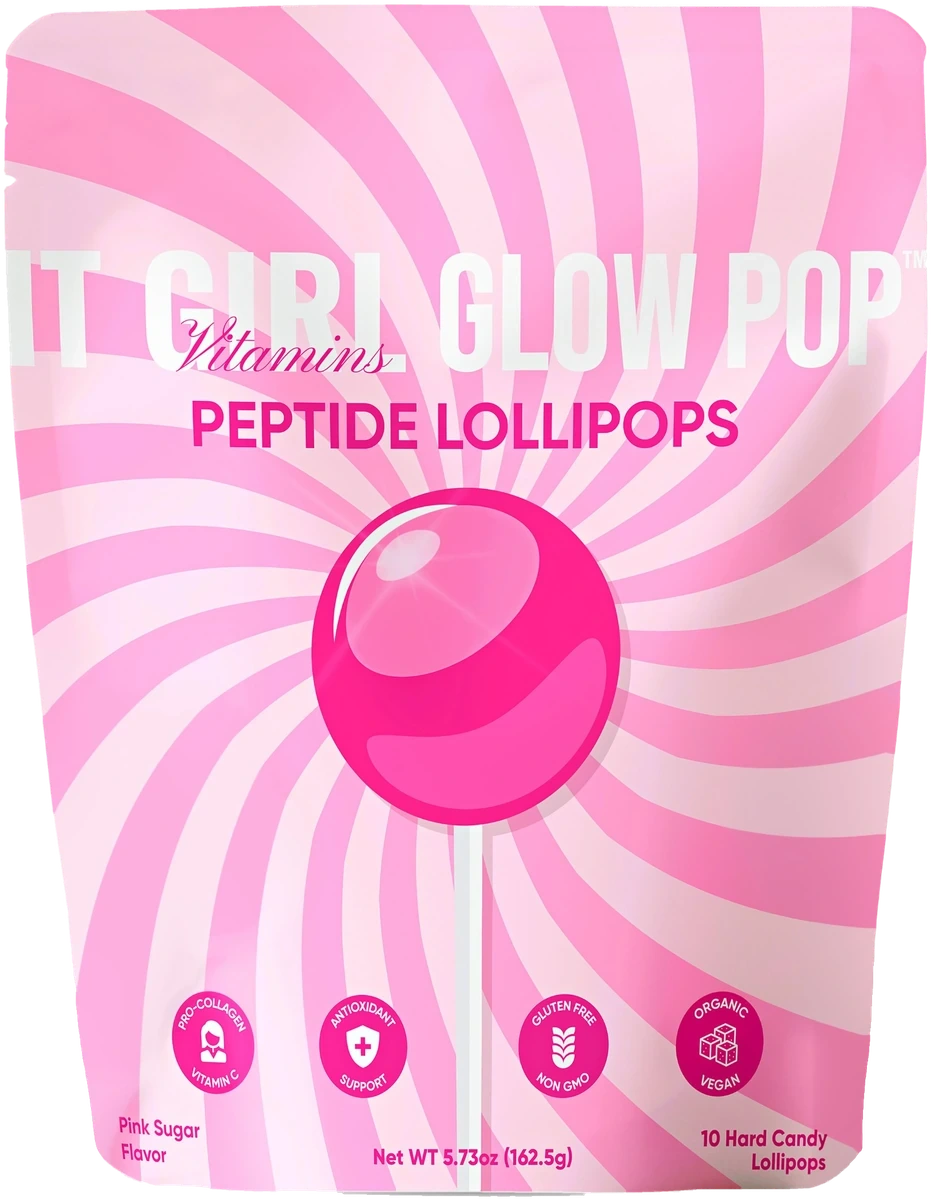
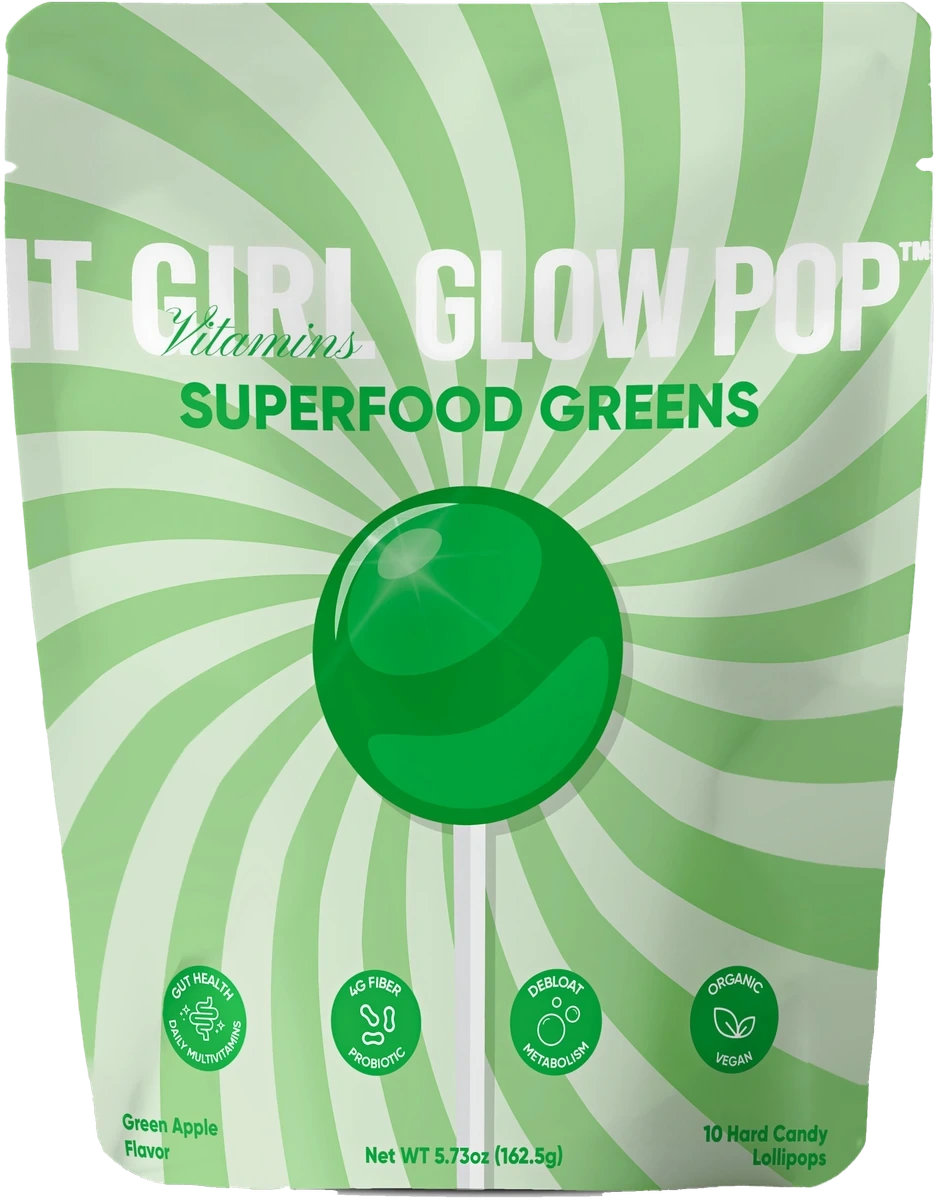
Beauty gummies vs capsules vs powders vs lollipops
How to tell which one you have
Turn the pack over and find the other ingredients line, just below the Supplement Facts or Nutrition Facts panel. The gelling agent is listed there by name: gelatin (sometimes with its source, such as bovine or porcine), pectin, agar or a starch. A vegan or vegetarian certification is a helpful shortcut, but the ingredient list is the final word. Our label guide walks through the rest of that small print.

Does the gelling agent change what is inside?
Not really. Gelatin and pectin are there for structure, not as active ingredients, and both are used in tiny amounts relative to what they carry. Pectin is technically a fibre, but the quantity in a serving of gummies is too small to count as a meaningful fibre source. What a gummy does for you still comes from the panel above: the actives, their amounts and the serving size.
Where the choice genuinely matters is practical: your diet, your texture preference, and whether your gummies will be sitting in a warm bag or a hot delivery van. The sugar question is separate too: a gummy's sweetness comes from the sweeteners listed, not the gelling agent, which is covered in our low-sugar candy guide.
Gummy supplements look like sweets, which makes them tempting to children. Store them out of reach, especially any that contain iron, and keep them in their original labelled container.
What our gummies use
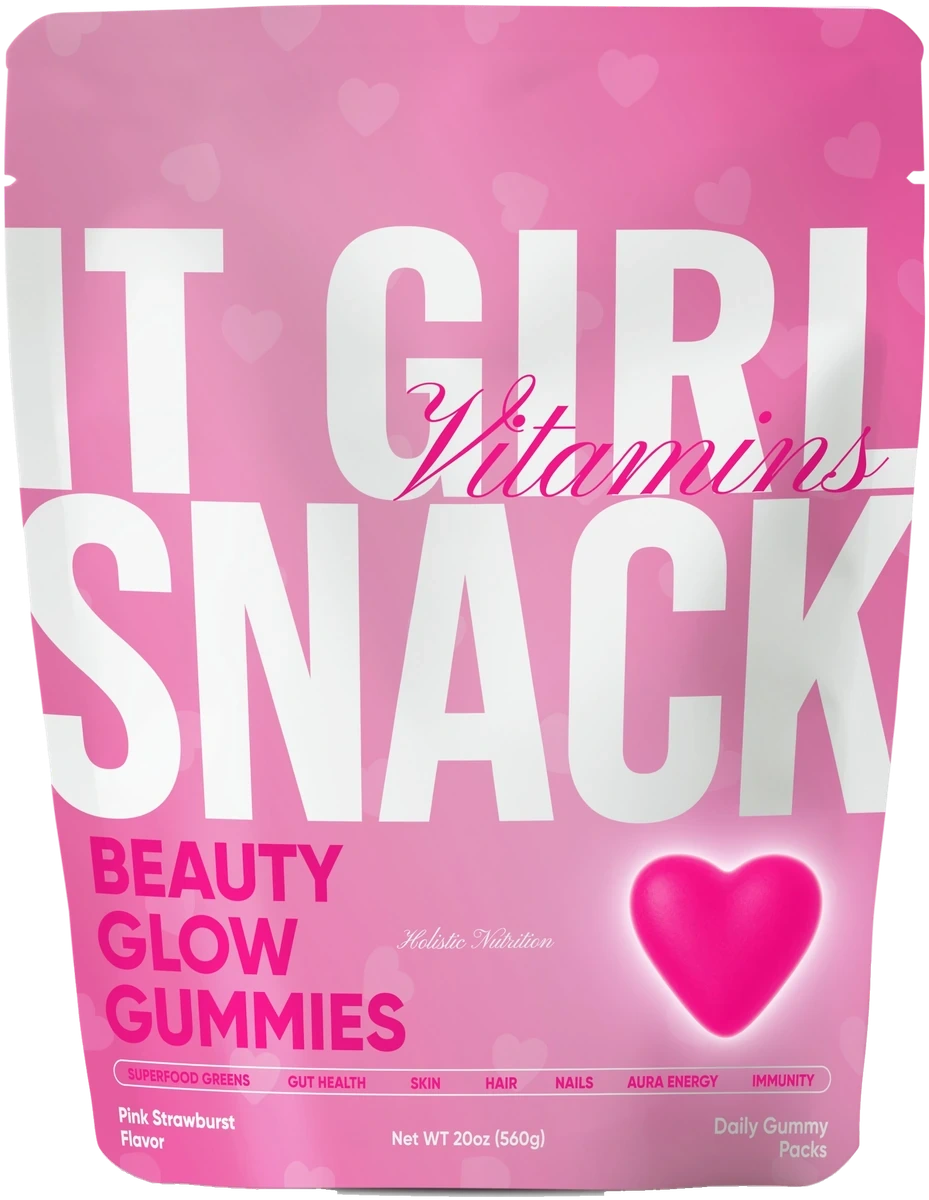
We think you should never have to guess. It Girl Snack lists pectin in its other ingredients, alongside allulose, water, organic strawberry powder for colour and Reb M. It Girl Skin carries a gelatin-free badge on its pack, and our Gut Glow Up heart gummies carry a vegan badge. Snack's collagen comes from marine collagen peptides listed as an active ingredient, while the gummy itself is set with plant-based pectin. For travel days in the heat, our carry-on kit has a few more tips.
Questions people actually ask
Are pectin gummies vegan?
Pectin itself is plant-based, so pectin gummies can be vegan, but only if nothing else in the recipe is animal-derived. Check the full ingredient list for items such as gelatin, beeswax, carmine or animal-sourced collagen, or look for a vegan certification.
Why do some gummies melt in the heat?
Gelatin softens at around body temperature, so gelatin gummies can melt slightly and stick together in hot weather. Pectin has a higher melting point and holds its shape better. Either way, it is best to keep gummies out of direct sun and hot cars.
Is gelatin the same as collagen?
They come from the same protein at different stages of breakdown. Gelatin is partially broken-down collagen that forms a gel when cool. Collagen peptides are broken down further into short fragments that dissolve easily and do not gel.
Which is better for gummy vitamins, gelatin or pectin?
Neither is better for the active ingredients. Gelatin gives a chewier, bouncier texture; pectin gives a softer bite, handles heat better and suits vegetarian and vegan diets. The right choice depends on your diet and texture preference.
This article is for general information and is not medical advice. These statements have not been evaluated by the Food and Drug Administration. This product is not intended to diagnose, treat, cure or prevent any disease. If you are pregnant, nursing, taking medication or managing a health condition, check with your doctor before adding a supplement.