Low-Sugar Candy That Isn't Sad: What to Look For
Why sugar-free candy disappoints, sugar alcohols explained, what allulose and monk fruit actually are, and a buyer's checklist that works.
Sugar-free candy carries a small dread for anyone who has met it. There is the texture, which tends toward chalk or rubber. The aftertaste, which arrives late and outstays its welcome. And the third thing, which nobody mentions in the aisle and everybody discovers ninety minutes later.
None of that is inevitable. It is the result of decisions someone made while formulating it, and those decisions are printed on the back.
- Almost every disappointment traces back to one choice: which sweetener replaced the sugar.
- Sugar alcohols cause most digestive complaints. Maltitol has the worst reputation and is also the most used, because it behaves most like sugar.
- Allulose and monk fruit are what better products lean on now, usually together.
- "Sugar-free" generally means under 0.5 g per serving. "No added sugar" says nothing about total sugar or calories.
- A wrapped single ends the portion decision; a resealable bag reopens it every twenty minutes.
Why most sugar-free candy disappoints
Sugar is not the flavor, it is the material
In hard candy, cooked sugar syrup is what sets into a glass. In gummies it controls water activity and works with the gelling agent to make a chew. Remove it and you remove the structure, not the sweetness alone. That, more than taste, is why sugar alcohols dominate sugar-free confectionery: they are the cheapest things that will form a candy at all.
The aftertaste is a timing problem
High-intensity sweeteners run on a different curve: sweetness arrives later, peaks differently and lingers after sugar would have cleared. Your mouth reads the mismatch as artificial. Blending two or three is how formulators paper over it, which is why good labels list several.
The part that happens later
Sugar alcohols are sweet and poorly absorbed by design. That makes the calorie arithmetic work and also sends the unabsorbed portion to the colon, where gut bacteria ferment it. Gas and a laxative effect follow at a high enough dose, which is why some packs carry a warning.
The sugar alcohols, one at a time
- Erythritol. About 70 percent as sweet as sugar. Most is absorbed in the small intestine and leaves in urine rather than fermenting, which is why it is generally the best tolerated. It has a cooling sensation: fine in mints, odd in strawberry.
- Maltitol. Nearly as sweet as sugar and the best behaved in a factory, which is why sugar-free chocolate and hard candy reach for it. Only partly absorbed, so the rest ferments. It is the name behind the category's reputation, and its effect on blood sugar is not zero.
- Sorbitol. Common in sugar-free gum and gummies, where it also holds moisture. Poorly absorbed, frequently complained about.
- Xylitol. Close to sugar in sweetness, same tolerance issues, and toxic to dogs.
Tolerance is individual and dose-dependent. One or two pieces is fine for most people; half a bag is a different afternoon.
Allulose and monk fruit, explained properly
Allulose is a rare sugar, chemically a sugar, found naturally in figs, raisins and maple syrup. Your body absorbs it but largely does not metabolize it for energy, so it adds minimal calories and, in US labeling, sits outside total and added sugars. What makes it useful is that it behaves like sugar: it bulks, it browns, it builds a proper texture. It is roughly 70 percent as sweet, so you need more, and it is expensive, which is why it is not everywhere yet.
Monk fruit is an extract of luo han guo, sweet because of compounds called mogrosides. Hundreds of times sweeter than sugar, used in milligram quantities, no calories and no bulk. That is why it never appears alone: something else has to be the body of the candy. Its signature is a sweetness that lingers, which some people like and some cannot get past.
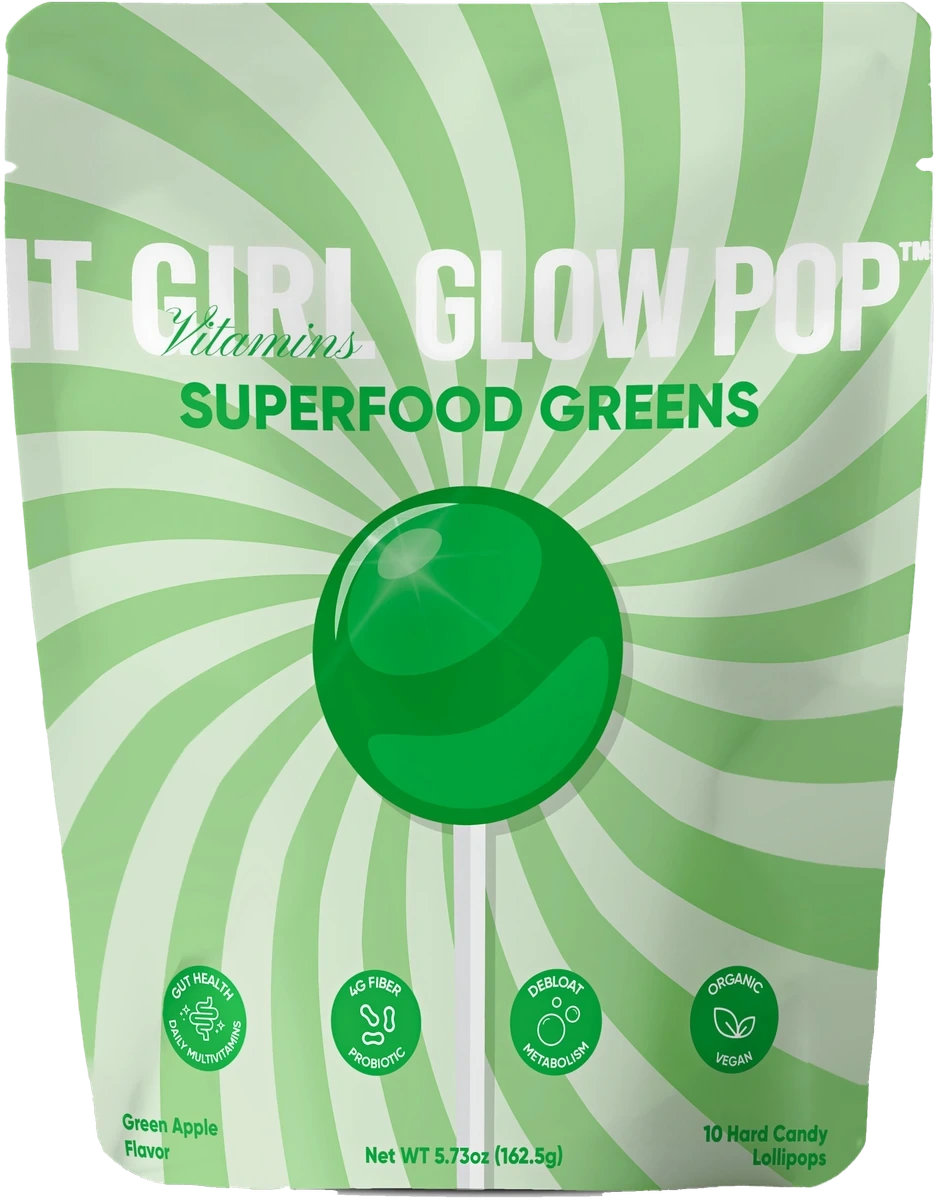
Pair them and each covers the other's weakness: allulose gives bulk and mouthfeel, monk fruit the sweetness allulose lacks. That is what better low-sugar products run on now, and why our Superfood Greens Pop uses allulose and monk fruit with a little organic cane sugar rather than a sugar alcohol.
A sugar-free product with no sugar alcohols in the ingredient list is a real signal. Someone paid more for the sweetener system.
What the words on the front legally tend to mean
- Sugar-free and zero sugar generally mean under 0.5 g of sugars per labeled serving. Not calorie-free, and not sweetener-free.
- No added sugar means none was added in processing. Naturally occurring sugars stay where they are, which is why a fruit product can carry the phrase and still be very sweet.
- Reduced sugar generally means at least 25 percent less than a reference product. Twenty-five percent less than a lot is still a lot.
- Sweetened with fruit juice is a marketing sentence, not a nutritional one. Juice concentrate is sugar, and it is usually counted as added sugar.
- The serving size line is where the real trick lives. The number means nothing until you know how many servings you will eat.
Functional candy: how to tell the real thing from the marketing
Portion is an ingredient
This gets left out of every ingredient debate and may matter more than the sweetener. A resealable bag makes the portion a decision, repeatedly, at the moments you are least equipped to take one. A single wrapped piece makes it a fact.
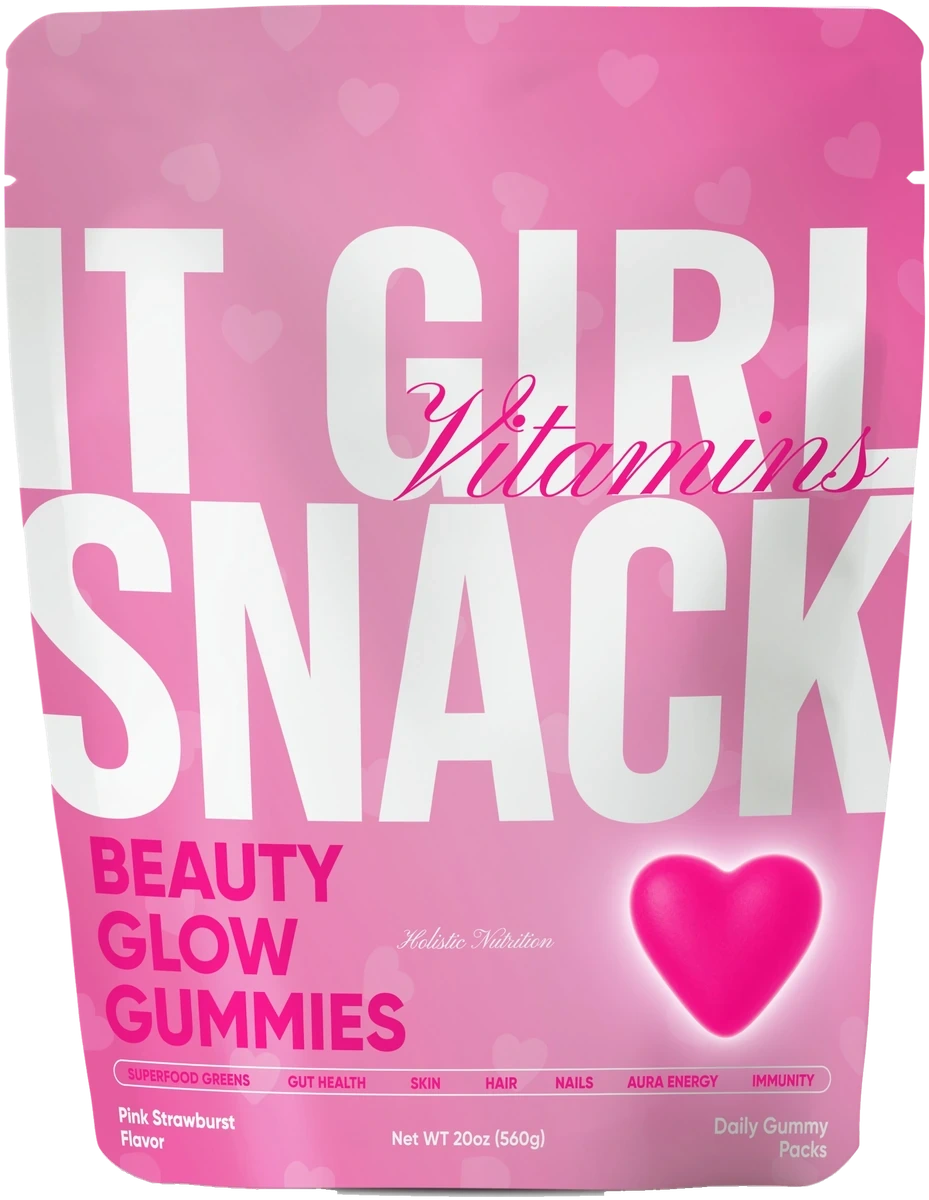
Same reasoning behind a pouch of individually wrapped pops, or a sealed daily pack instead of a jar. It Girl Snack is seven gummies at 0.5 g of sugar and 15 calories, a portion you cannot accidentally double. That is the argument behind choosing a supplement format you will finish.
A short buyer's checklist
- Read the sweetener before the front of the pack. It predicts almost everything else.
- Count the sugar alcohols. One is usually fine; a stack of three is a plan you should know about.
- Check total sugar and serving size, then multiply by what you will realistically eat.
- Look at the fiber line on gummies. Added fiber is often the bulk, fine until it is 12 g of it.
- If the front makes a claim, find the number backing it on the back, the test we apply in whether beauty supplements actually work.
Four honest categories of better sweet things
Actual fruit, slightly engineered. Frozen grapes, freeze-dried strawberries, a date with almond butter in it. Still sugar, but arriving with fiber and water, and self-limiting in a way candy is not.
Dark chocolate. The higher the cocoa percentage, the less room for sugar. Its real advantage is richness: two squares of 85 percent is a stopping point, which a bag of gummy bears never is.
Low-sugar candy without sugar alcohols. Usually allulose-led, usually pricier, worth it if sugar alcohols do not agree with you.
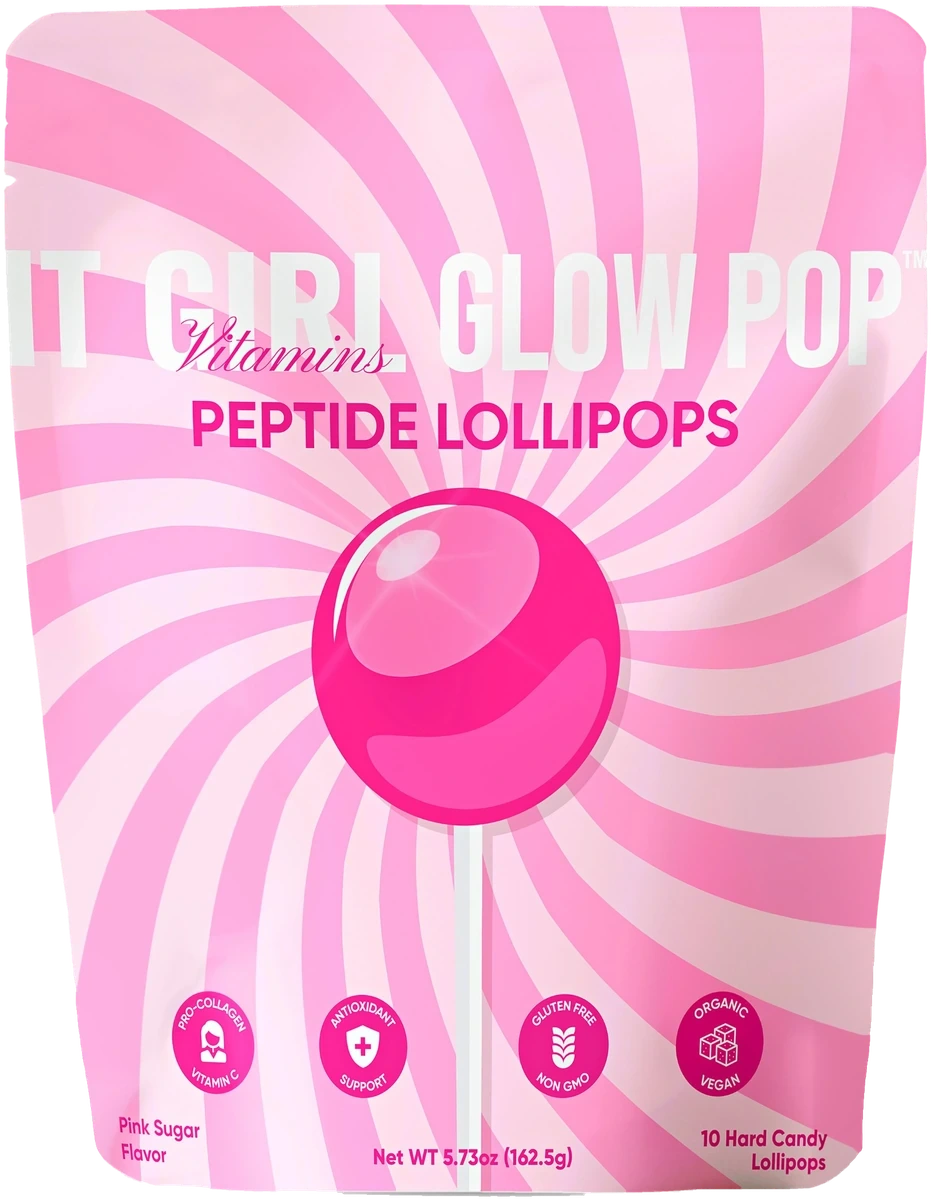
Functional candy. Sweets built around an active, where sugar is a small part of the mass rather than the point. Our Peptide Beauty Pop has 1 g per pop because 7,000 mg of collagen peptides takes up the room, and the same logic runs through electrolyte pops.
The unglamorous truth under all four: the healthiest sweet thing is usually a smaller amount of the real one.
Questions people actually ask
Why does sugar-free candy upset my stomach?
Most sugar-free candy is sweetened with sugar alcohols such as maltitol, sorbitol or xylitol, which are poorly absorbed by design. The unabsorbed portion reaches the colon and is fermented by gut bacteria, producing gas and a laxative effect at a high enough dose. Tolerance varies, and depends on how much you eat.
Is monk fruit safe to use every day?
Monk fruit extract is a permitted sweetener used in very small amounts and contributes no calories. The usual complaint is taste rather than tolerance, specifically a sweetness that lingers. It is almost always paired with a bulking sweetener, so the ingredient next to it matters more.
Is allulose better than sugar alcohols?
For most people it is easier on digestion, because allulose is absorbed rather than fermented in the colon the way sugar alcohols are. It also behaves more like sugar, which gives better texture. It costs considerably more, and very large amounts can still cause discomfort.
Does "no added sugar" mean low sugar?
No. It means no sugars were added during processing, while naturally occurring sugars remain untouched. A dried fruit product can carry the phrase honestly and still be among the sweetest things in the aisle. Read the total sugars line instead.
How much sugar is reasonable in a daily sweet?
There is no universal number, and it depends on the rest of what you eat. A useful framing is whether the amount is small enough not to think twice about daily. Our Peptide Beauty Pop has 1 g per pop; a daily pack of It Girl Snack has 0.5 g.
If you are pregnant, nursing, taking medication or managing a health condition, check with your doctor before adding a supplement.
And if the sweet thing you reach for anyway could carry something useful, that is the idea behind a pack of It Girl Snack.
This article is for general information and is not medical advice. These statements have not been evaluated by the Food and Drug Administration. This product is not intended to diagnose, treat, cure or prevent any disease.