Foods for Glowing Skin: A Nutrient-by-Nutrient Grocery List
No single food gives you glowing skin, but skin does run on nutrients. Here is a practical grocery list, organised by what each nutrient does and where to find it.
There is no food that erases a breakout by Friday or turns back a decade of sun. Anyone selling you one is selling. But skin is living tissue that renews constantly, and it builds itself from what you eat, which means your grocery basket is part of your skincare, whether you plan it that way or not.
This list is organised by nutrient rather than by trend. For each one: what skin uses it for, the everyday foods that supply it and a realistic way to get it into a normal week.
- Skin relies on protein, vitamin C, zinc, vitamins A and E, healthy fats and water. Nothing exotic.
- Colourful produce, some protein at each meal, a handful of nuts or seeds and oily fish or plant omega-3s cover most of it.
- More is not always better: vitamin A and selenium in particular have upper limits worth respecting.
- Supplements can fill gaps and make consistency easier, but they sit on top of a good basket, not instead of it.
Protein: the raw material
Collagen, keratin and elastin are all proteins, and your body builds them from the amino acids in your diet. Collagen is especially rich in glycine and proline. You do not need anything special to supply them, just enough protein spread across the day.
Add to your list: eggs, Greek yogurt, fish, chicken, tofu, tempeh, lentils and beans.
Vitamin C: the collagen cofactor
The enzymes that build stable collagen need vitamin C, and it is one of the skin's key antioxidants. The daily requirement is 75 mg for women and 90 mg for men, and it is easy to reach with produce.
Add to your list: red peppers (about 95 mg in half a cup, raw), oranges (70 mg each), kiwifruit (64 mg each), strawberries (49 mg in half a cup) and broccoli (51 mg in half a cup, cooked). Raw or lightly cooked keeps more of it. Our vitamin C guide compares food, supplements and serums.
Zinc: for repair and renewal
According to the NIH, zinc plays a role in protein and DNA synthesis, immune function and wound healing: all processes that matter for skin that is constantly renewing. Women need 8 mg a day and men 11 mg.
Add to your list: oysters (by far the richest source, around 28 to 32 mg per serving), beef (3.8 mg in 3 ounces), crab (3.2 mg in 3 ounces), pumpkin seeds (2.2 mg per ounce), chickpeas and cashews. Plant sources contain phytates, which reduce how much zinc you absorb. Soaking, sprouting and fermenting, as in sourdough or tempeh, can help.
Vitamin A: renewal from the inside
Vitamin A is involved in the normal growth and renewal of skin cells; retinoids in skincare are its topical cousins. Your body can make it from the beta-carotene in orange and green plants, which is the easiest route. Women need 700 mcg RAE a day.
Add to your list: sweet potatoes, carrots, spinach, butternut squash, cantaloupe, mango and apricots. The NIH sets an upper limit of 3,000 mcg a day for preformed vitamin A (the kind in liver and many supplements) and warns that too much during pregnancy can cause birth defects, so be cautious with high-dose supplements rather than with carrots.

Vitamin E: the fat-soluble antioxidant
Vitamin E protects fats in cell membranes from oxidation and works alongside vitamin C, which helps regenerate it. Adults need 15 mg a day, and nuts and seeds make that simple.
Add to your list: sunflower seeds (about 7.4 mg per ounce), almonds (about 6.8 mg per ounce), hazelnuts, peanut butter, spinach and avocado.
Omega-3 fats: for the skin barrier
Healthy fats are part of the lipid layer that helps skin hold water. Omega-3s come in two main forms: EPA and DHA from oily fish, and ALA from plants, which the body converts to EPA and DHA only in small amounts.
Add to your list: salmon, sardines, trout and mackerel for EPA and DHA; chia seeds, ground flaxseed and walnuts for ALA. Two servings of oily fish a week, or a spoon of chia or flax most days, is a realistic target.
Skin hydration from the inside out
Water: the least glamorous essential
Every process above happens in water. If you drink very little, drinking more is a sensible first step for how you feel overall. Extra water beyond what you need will not fix dry skin on its own, though. That is where your barrier, your moisturiser and your environment come in.
The list at a glance
| Nutrient | What skin uses it for | Easy foods |
|---|---|---|
| Protein | Raw material for collagen and keratin | Eggs, Greek yogurt, fish, tofu, lentils |
| Vitamin C | Collagen formation, antioxidant | Red peppers, kiwifruit, citrus, strawberries |
| Zinc | Repair and cell renewal | Oysters, beef, pumpkin seeds, chickpeas |
| Vitamin A | Normal skin cell renewal | Sweet potatoes, carrots, spinach, mango |
| Vitamin E | Protects fats in cell membranes | Sunflower seeds, almonds, avocado |
| Omega-3s | Part of the skin's lipid barrier | Salmon, sardines, chia, flax, walnuts |
| Selenium | Antioxidant enzymes | Fish, eggs, a Brazil nut or two, not a handful |
About that Brazil nut note: they are so rich in selenium that a single ounce can exceed the adult upper limit of 400 mcg a day. One or two nuts is a treat; a bag is too much.
What about food and acne?
This is where the internet overpromises most. Some research links high-glycaemic diets (lots of refined carbohydrates and sugary drinks) and, less consistently, cow's milk to breakouts in some people. The evidence is not strong enough for blanket rules, and acne has many causes. If you notice a pattern, a dermatologist can help you test it properly rather than cutting out whole food groups.
Where supplements fit
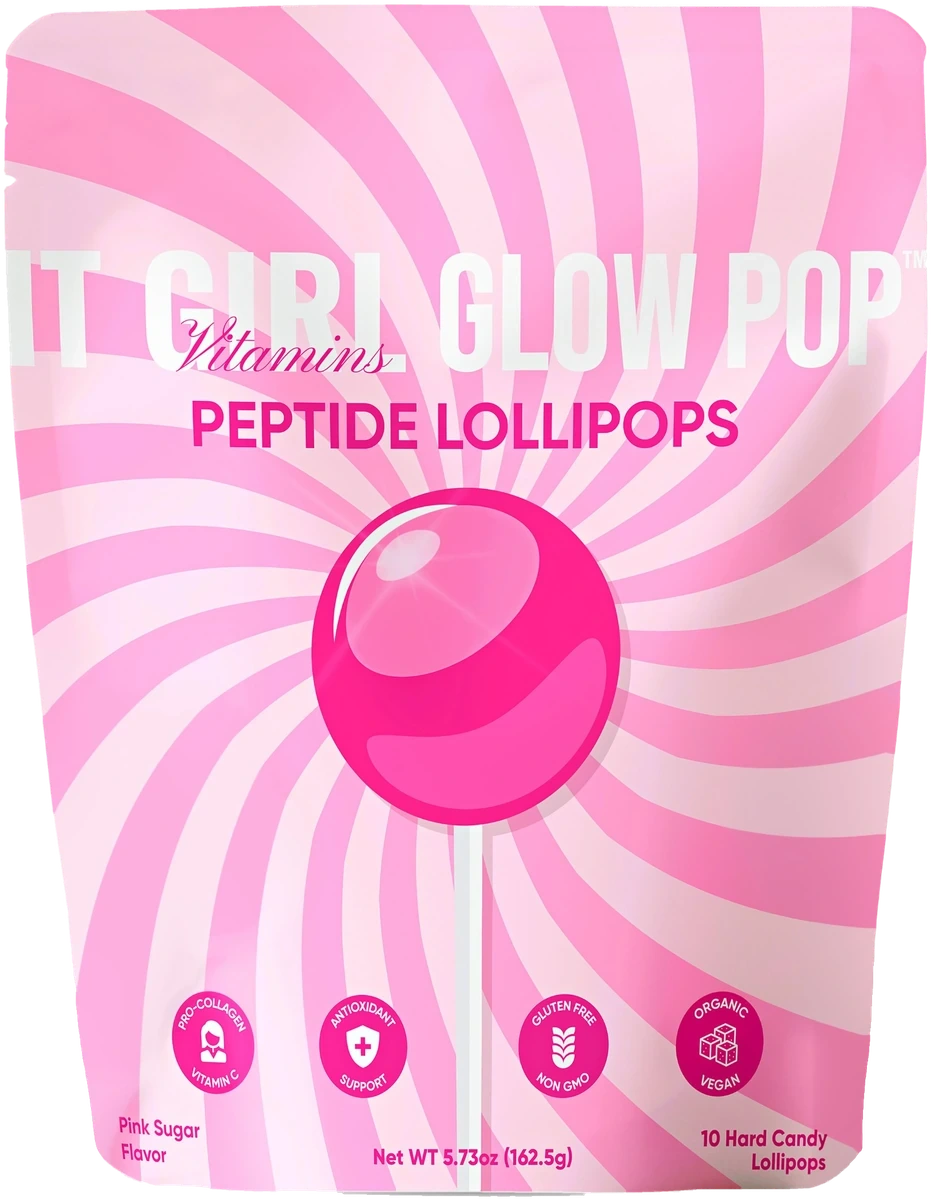
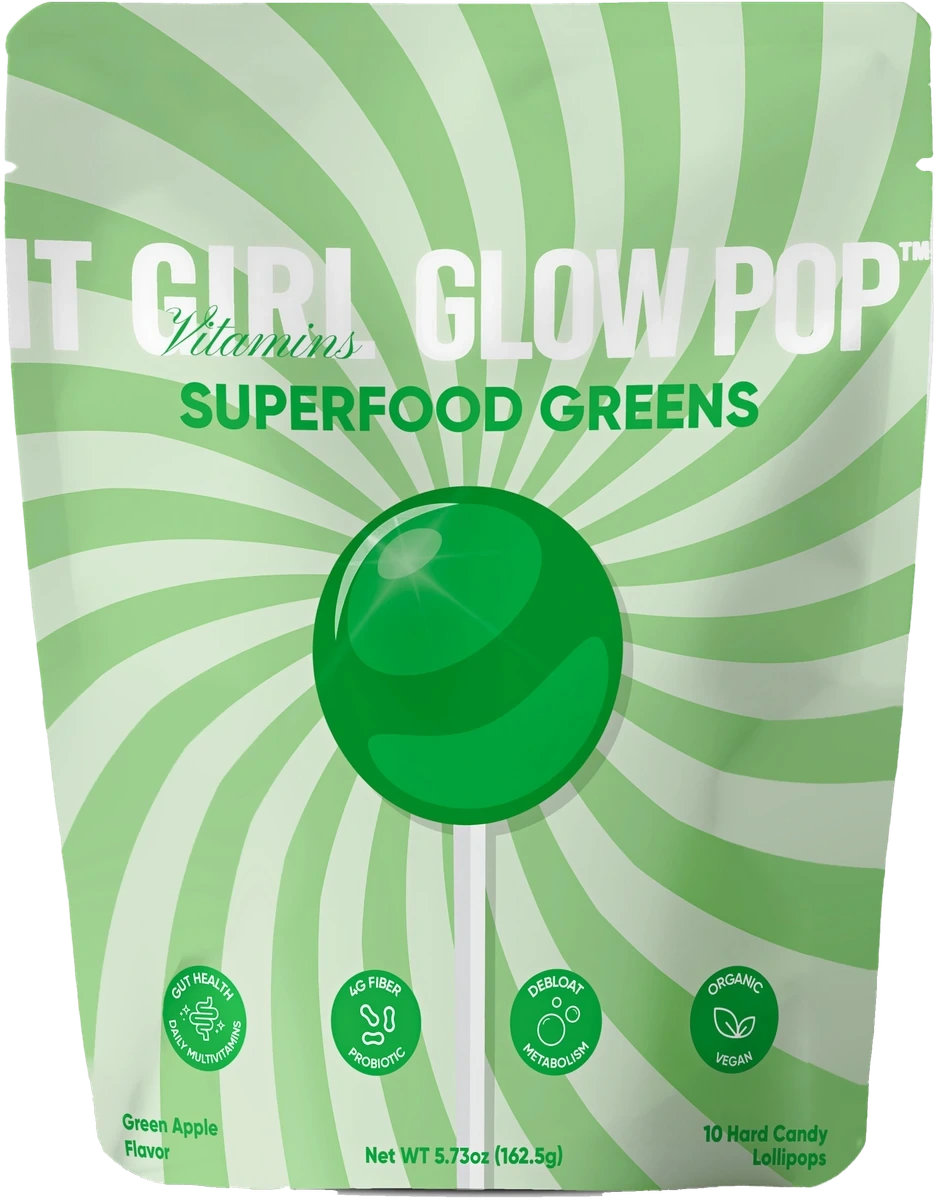
A good basket comes first. Supplements are useful for consistency on the weeks when the basket is not so good, and for ingredients that are hard to get from food. Our Superfood Greens Pop adds vitamin C, zinc and B vitamins to a greens blend for the days vegetables do not happen, and our Peptide Beauty Pop pairs vitamin C with collagen peptides. Neither replaces a salad; both are easier to keep up than a green juice. For more on eating your greens without loving them, read how to get your greens when you hate greens, and for the bigger picture, our beauty-from-within guide and the gut-skin connection.
Questions people actually ask
What foods are best for glowing skin?
No single food is best, but a pattern helps: colourful fruit and vegetables for vitamin C and beta-carotene, enough protein, nuts and seeds for vitamin E and zinc, and oily fish or plant omega-3s. Consistency over weeks matters more than any one ingredient.
Does drinking water improve your skin?
Staying hydrated supports your whole body, and people who drink very little may notice a difference when they drink more. Beyond meeting your needs, extra water will not fix dry skin on its own. Moisturiser, a healthy skin barrier and your environment also play a big part.
Can I get all these nutrients from food alone?
Many people can, with a varied diet. Supplements can help fill specific gaps or make a routine more consistent, especially on busy weeks. If you think you are low in a nutrient, a doctor or dietitian can help you check rather than guess.
Is it possible to get too much vitamin A or selenium from food?
Beta-carotene from vegetables is not a concern for most people, but preformed vitamin A from liver and supplements has an upper limit of 3,000 mcg a day for adults. Selenium can be overdone with Brazil nuts, which are extremely concentrated, so keep them to one or two at a time.
This article is for general information and is not medical advice. These statements have not been evaluated by the Food and Drug Administration. This product is not intended to diagnose, treat, cure or prevent any disease. If you are pregnant, nursing, taking medication or managing a health condition, check with your doctor before adding a supplement.